Black Mold Removal Services for Your Home
Compare local providers today
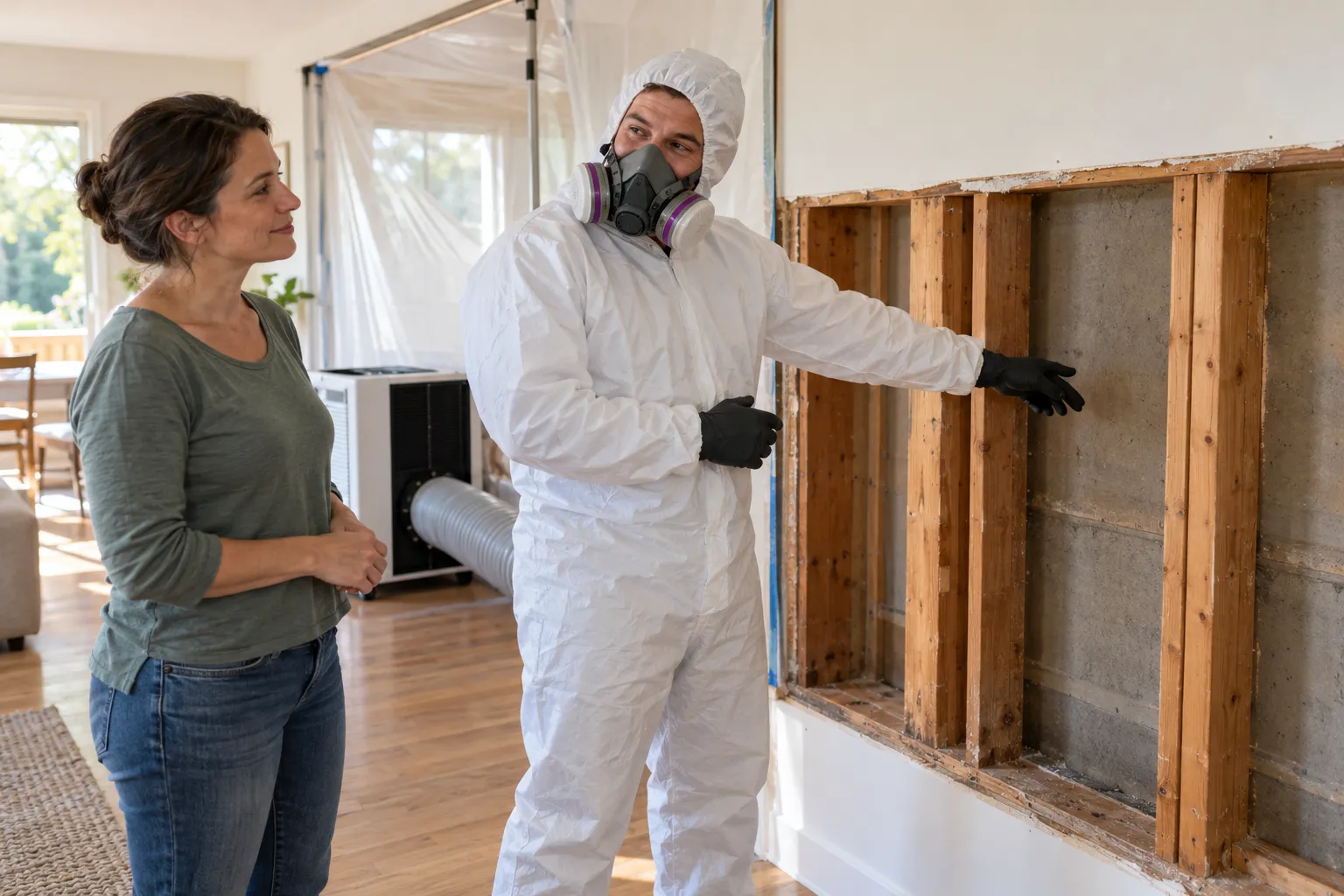
Is that dark patch black mold, and who should deal with it? If you're asking that in McKinney, you're in the right spot. Designatedwashington Mold Help is a referral service. We connect homeowners with independent local providers who inspect, test and remove mold. The providers do the work. We simply shorten your search.
Black mold removal is more than wiping a stain away. A good provider contains the area, removes damaged materials, cleans what can be saved and helps you find the moisture behind it all. Our approach is simple: compare, then decide. Gather written estimates, ask questions and choose at your own pace, with no obligation. Catch it small, and the job usually stays smaller, too.
Found Black Mold? Start Here
So you found a dark, fuzzy patch and your stomach dropped. Take a breath. Most mold problems are fixable, and reaching out while the patch is small usually keeps the job smaller.
First, stay calm and keep your hands off it. Don't scrub, sand or point a fan at it. Disturbing mold can send spores through the house. Close the door to that room if you can, and keep kids and pets out.
Then get a provider involved. Designatedwashington Mold Help is a referral service that connects you with independent local providers. The providers do the work. We just make the first step easier.
Is It Really Black Mold?
Does every dark spot count as black mold? Not quite. Many molds look dark, and color alone can't tell you the species. The name usually points to a slow-growing mold that thrives on constantly wet materials.
That's why a provider may take a sample before planning the work. Ask whether the person doing the sampling is certified for mold testing. Either way, a dark patch on a damp surface deserves attention.
Where Does It Hide in the McKinney area Homes?
Why do homes in warm, stormy places see it so often? Hot, wet summers and heavy tropical downpours keep moisture hanging around. Mold only needs a damp spot and some time.
Here are the usual hiding places:
- Under sinks and around leaky supply lines
- Behind bathroom and laundry room walls
- Ceilings below a very hot attic with a roof leak or poor airflow
- Baseboards and carpet edges in slab-on-grade ranch homes
- Crawl spaces and floor framing in older pier-and-beam houses
- Behind vinyl siding and brick where storm water sneaks in
Why Isn't Bleach Enough?
Can't you just spray it and move on? It's tempting, but bleach mostly lightens the stain on hard, smooth surfaces. Drywall, wood and insulation are porous. Mold roots can sit inside them, and the leftover moisture helps the mold return.
Mixing cleaners is also risky, since some combinations make harmful fumes. Leave the heavy lifting to a provider with the right gear.
How Does Black Mold Removal Work?
What will a provider actually do? Plans vary, but a typical job follows this path:
- Containment: plastic barriers and sealed vents keep spores from spreading.
- Air control: filtered air machines clean the air while work happens.
- Removal: soaked or heavily affected drywall, carpet and insulation come out.
- Cleaning: wood framing and other solid surfaces get scrubbed or sanded and vacuumed with HEPA equipment.
- Drying: fans and dehumidifiers bring materials back to normal moisture.
- Final check: many providers confirm the area is clean before rebuilding starts.
What Caused It in the First Place?
Why does mold keep coming back for some people? Because the water source never got fixed. A good plan names the cause and deals with it.
That could mean a repaired pipe, a patched roof, better attic ventilation, a drier crawl space or a bathroom fan that actually vents outside. Ask the provider to point out the moisture source, not just the mold.
What Happens to My Belongings?
Can I keep my couch, clothes and keepsakes? Often, yes. Hard items like glass, metal and finished wood can usually be cleaned. Soft, porous items such as mattresses and heavily affected carpet are harder to save.
Ask the provider how they handle contents. Some providers move items out and clean them off-site. Take photos of everything before work starts.
How Do I Compare Providers?
How do you choose without feeling rushed? Compare, then decide. Gather at least two or three written estimates. Line up what each one includes, not just the bottom number.
Look at the size of the area, the materials to be removed, the drying plan and whether post-work testing is part of the price. A lower number with a thin scope can end up costing more.
Questions to Ask Before You Commit
What should you ask? Ask before you commit. Here are good starters:
- Are you licensed and insured in my state?
- Will you give me a written scope and quote?
- How will you contain the work area?
- How will you find and address the moisture source?
- Is testing after the work included?
- What does your warranty cover, in writing?
Will My Insurance Help?
It depends on your policy. Some policies may cover mold that follows sudden damage, like a burst pipe. Slow leaks and neglected maintenance are often treated differently. Check your policy, and know that providers can often help document damage for a claim.
Should I Wait and See?
Is it okay to wait a few weeks? Mold tends to grow where moisture lingers, so waiting rarely helps. Catch it small. Many providers can respond quickly, and availability varies by provider.
Request a callback to check provider availability, or send a request through the form.
What's Included
Containment and Air Filtration
Barriers and filtered air machines help keep spores out of the rest of your home.
Removal of Damaged Materials
Soaked drywall, carpet and insulation that can't be cleaned safely are cut out and bagged for disposal.
HEPA Cleaning
Framing and solid surfaces are cleaned and vacuumed with specialized equipment.
Drying and Moisture Check
Dehumidifiers and meters help confirm materials are dry before anything gets rebuilt or closed up.
What Black Mold Removal Typically Costs
Costs vary a lot by home size, how far the mold spread and what has to be rebuilt. These are typical U.S. ranges, so always get a written quote.
| Item | Typical range | Notes |
|---|---|---|
| Small, contained area | $500 – $1,500 | One wall section or under a sink |
| Larger room or several areas | $1,500 – $6,000 | More containment and material removal |
| Whole-home or severe spread | $6,000 – $20,000+ | Often needs a full scope and rebuild |
| Crawl space or attic work | $1,500 – $8,000 | Size and access change the price |
| Air scrubbing and drying | $300 – $1,500 | Depends on equipment and days needed |
| Rebuild after removal | $1,000 – $10,000+ | Drywall, flooring and paint, often separate |
How It Works
Tell Us What You See
Share where the mold is, how big it looks and whether there's a leak or musty smell.
Get Connected to Providers
Designatedwashington Mold Help links you with independent local providers who handle black mold removal.
Compare Written Estimates
Review each scope, ask questions and weigh the details, not just the price.
Choose and Schedule the Work
Pick the provider you're comfortable with and confirm the plan in writing.
Why Call Designatedwashington Mold Help
Less Searching, More Clarity
Reach independent local providers through one simple request instead of sorting through endless listings.
Compare Estimates
Gather written quotes, line up what each includes and pick the plan that makes sense.
No Pressure
Asking for an estimate carries no obligation, so you can take your time deciding.
Catch It Small
Reaching a provider early often means a smaller problem and a more manageable project.
Other Services
Need black mold removal services in McKinney?
Questions about a musty smell or dark spots? Reach out and we will point you to independent local mold providers in the McKinney area. No obligation.
No obligationBlack Mold Removal Services FAQ
Is black mold in a house dangerous?
Mold can irritate eyes, skin and lungs, especially for kids, older adults and people with asthma or allergies. Effects vary by person. If you're worried about symptoms, talk to a doctor and keep the area closed off.
Can I remove black mold myself?
Very small spots on hard surfaces are sometimes handled by homeowners with protective gear. Anything larger, or growth inside walls, is better left to a provider with containment tools. Disturbing it can spread spores.
How long does black mold removal take?
Small jobs can take a day or two. Larger projects with containment, drying and rebuilding may take a week or more. Ask each provider for a written timeline and what could change it.
Request a callback
Questions about a musty smell or dark spots? Reach out and we will point you to independent local mold providers in the McKinney area. No obligation.
No obligation